
The Nature of Luck in Gambling
Luck is often described as a fortuitous force that can unexpectedly alter outcomes, especially in the world of gambling. In a casino setting, every spin of the roulette wheel or roll of the dice introduces an element of chance that could either lead to a thrilling victory or a bitter defeat. While skill and strategy play essential roles in some games, many players rely heavily on online casino australia luck to sway the odds in their favor. This reliance on luck can be both exhilarating and frustrating, as results can be entirely unpredictable and can change in an instant.
Many gamblers believe in ‘lucky moments’—those instances when everything seems to align perfectly, resulting in a significant win. These serendipitous occurrences fuel the desire to keep playing, despite the odds. However, it’s crucial to understand that while luck can influence short-term outcomes, it does not guarantee long-term success. The house edge inherent in casino games ensures that the odds are consistently tilted in favor of the casino, making it essential for players to balance their expectations of luck with realistic strategies to enhance their gaming experience.
Moreover, superstition often intertwines with the concept of luck in gambling. Many players have their own rituals or lucky charms they believe may amplify their chances of winning. From wearing specific clothing to adhering to particular betting patterns, these practices underscore a psychological reliance on luck. However, it is important to note that these rituals have no basis in statistical reality; they are merely manifestations of personal belief and the human desire to exert control over uncertain situations, often leading to a cycle of hope and disappointment.
The Role of Strategy in Gambling
While luck holds considerable sway in gambling, strategy is equally important. In most casino games, understanding the rules and developing a sensible approach can significantly enhance a player’s overall experience and outcomes. For instance, in games such as poker, players can use skillful techniques like bluffing and reading opponents to gain an advantage, thereby minimizing reliance on chance alone. This strategic component can transform a seemingly luck-based game into a more skill-driven contest, allowing players to feel more empowered and engaged.
Additionally, games like blackjack offer players the opportunity to make informed decisions based on statistical probabilities. Players can choose to hit, stand, or double down, and a good understanding of the odds can lead to better outcomes. This illustrates that while luck may determine immediate results, strategic play can substantially influence the long-term trajectory of a player’s experience in a casino. Emphasizing strategic thinking can empower gamblers, making them feel more in control of their fate and potentially improving their chances of success.
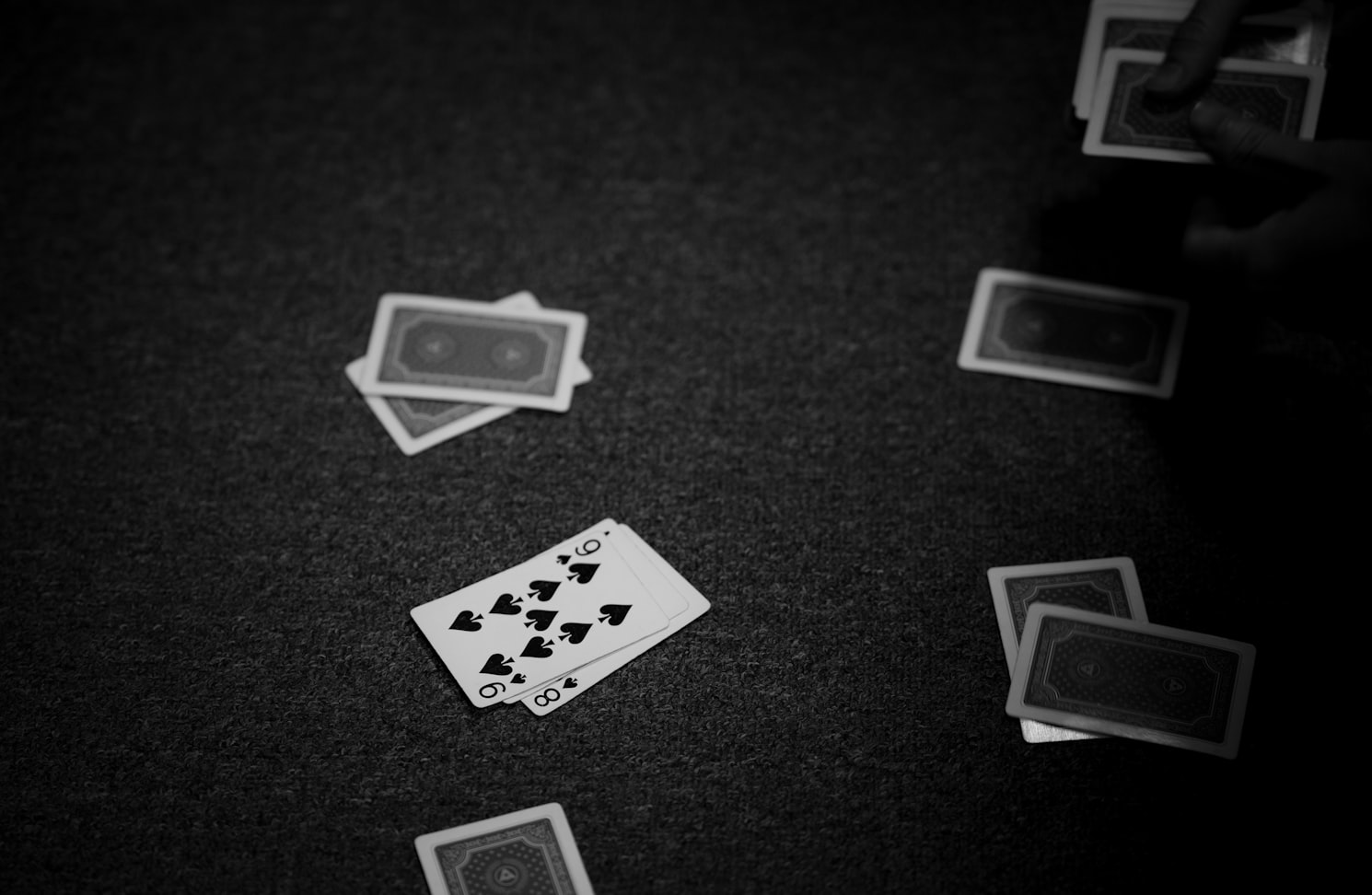
It is essential to recognize that the interplay between luck and strategy often varies from game to game. For example, slot machines are considered purely luck-based, as there are no skills involved in determining outcomes. Conversely, games like poker or blackjack allow for strategy to flourish. Therefore, players must assess the nature of the game they are engaging with and adapt their approach accordingly, reinforcing the notion that luck and skill can coexist in the gambling sphere, each playing a distinct role in the experience.
The Psychological Aspects of Luck in Gambling
The psychology of gambling plays a significant role in how players perceive luck. Gamblers often develop cognitive biases, such as the illusion of control, where they believe they can influence random outcomes through their actions. This phenomenon can lead to overconfidence, where players feel assured that their lucky streak will continue, tempting them to wager additional funds. Such beliefs can lead to increased risks and potential losses, as emotional decision-making may overshadow rational strategies, ultimately clouding their judgment.
Another psychological aspect is the gambler’s fallacy, the misconception that past events influence future outcomes in random games. For example, if a roulette wheel has landed on red multiple times, a player might assume that black is ‘due’ to come up next. Such thinking can lead to misguided betting patterns and ultimately affect a player’s chances of success. Understanding these psychological traps is crucial for gamblers who wish to navigate the casino landscape more effectively and make informed decisions.
Additionally, the thrill of uncertainty is inherently appealing to many individuals, with luck often serving as a catalyst for excitement. The unpredictability of outcomes can create a sense of adrenaline that draws players into the game. While luck can yield remarkable wins, it also has the potential for devastating losses. Recognizing the dual nature of luck can help players approach gambling with a balanced mindset, appreciating the entertainment value while remaining mindful of the risks involved in their pursuit of fortune.
The Impact of Environment on Luck
The casino environment itself can play a significant role in influencing players’ perceptions of luck. The vibrant lights, sounds of spinning wheels, and the excitement of fellow gamblers create an atmosphere of heightened emotion. This environment can affect a player’s belief in their luck, leading them to feel more fortunate during their sessions. For instance, winning in a bustling crowd can amplify the feeling of being ‘on a roll,’ further reinforcing the connection between luck and the overall sensory experience of gambling.

Moreover, casinos often employ various psychological tactics to enhance the gambling experience, such as complimentary drinks and rewarding loyalty programs. These strategies aim to keep players engaged and believing in their potential for luck. By creating an ambiance that fosters excitement and positivity, casinos can influence players’ cognitive biases, leading them to perceive themselves as luckier than they might truly be. This manipulation can further entice players to gamble more, often obscuring the reality of the odds.
Ultimately, the relationship between the casino environment and luck is a fascinating interplay of psychology and setting. Understanding how external factors can impact one’s belief in luck can offer valuable insights for players. By recognizing the influence of the environment, gamblers can develop more grounded expectations and potentially make more informed decisions, allowing them to enjoy the experience without falling victim to misconceptions about luck and how it affects their outcomes.
How to Play Responsibly in a Casino
Engaging in casino games can be exhilarating, but it is essential for players to prioritize responsible gambling. Understanding the role of luck and finding a balance between it and strategy is crucial for a fulfilling experience. Setting limits on time and money spent at the casino ensures that the thrill of gambling does not escalate into harmful behavior. By establishing personal boundaries, players can enjoy the excitement while maintaining control over their finances and well-being, cultivating a healthier relationship with gambling.
Moreover, recognizing the unpredictability of luck can help players cultivate realistic expectations. It’s vital to remember that losses are a natural part of gambling and that winning streaks are often temporary. By approaching gambling as a form of entertainment rather than a potential source of income, players can enjoy their time at the casino without the pressure of unrealistic outcomes. This mindset can enhance the overall experience, allowing individuals to appreciate the thrill while remaining mindful of the risks involved in their gambling activities.
Additionally, many casinos offer resources for responsible gambling, such as self-exclusion programs and information on local support services. Taking advantage of these resources can help players who may feel overwhelmed by the allure of luck or find themselves struggling with gambling behaviors. By fostering a culture of responsibility within the gaming community, players can contribute to a more positive environment where luck is seen as just one factor in an entertaining and engaging experience, rather than the sole determinant of success.